
About Melissa & CraftingSelf Psychotherapy
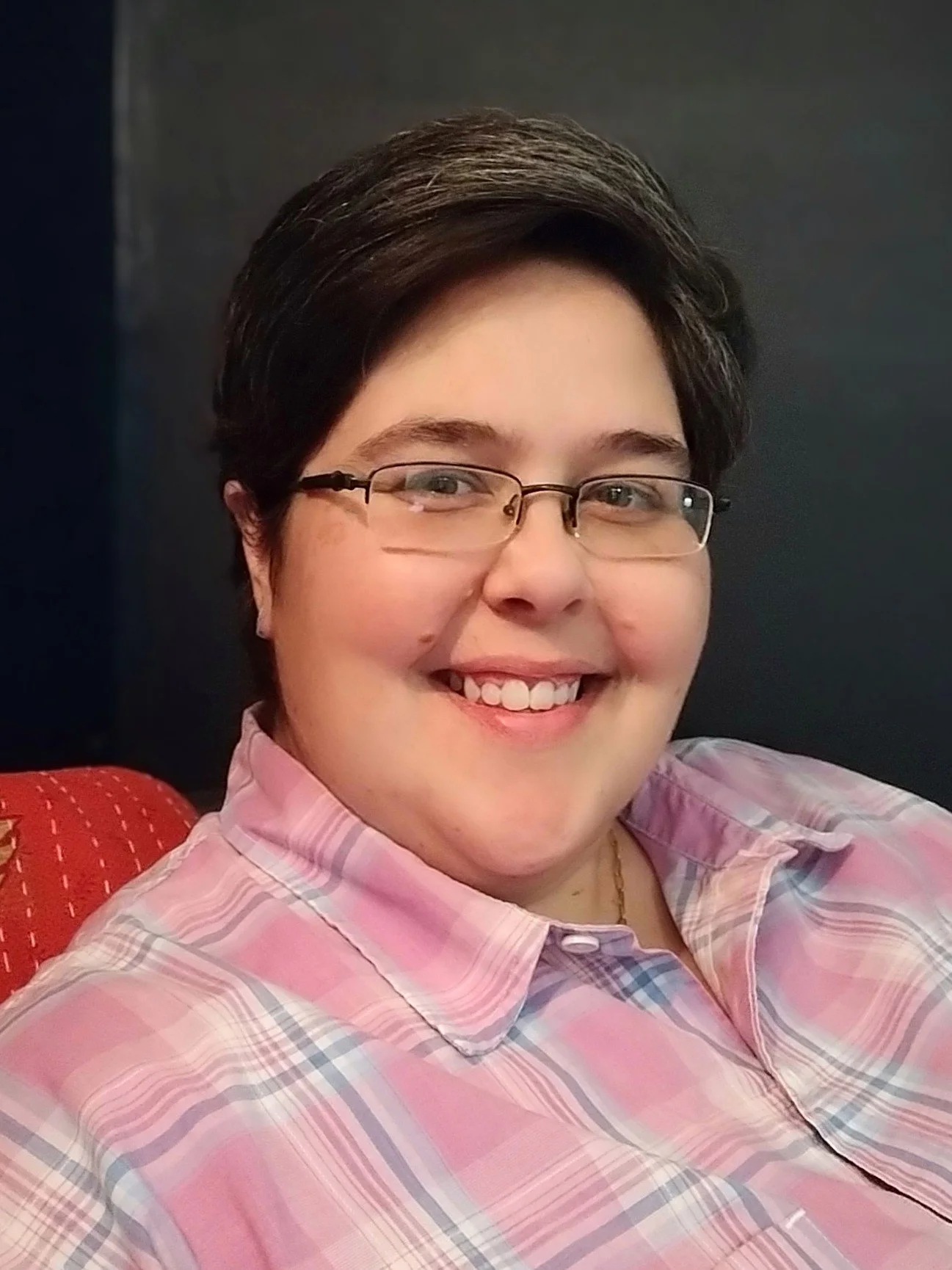
I’ve always known that I struggled in ways that others didn’t. Paths that worked for most folks never quite fit for me. I wanted to understand why and do something about it.
A mentor once took the time to really listen. They directed me to information that helped me see my experience more clearly and offered a few simple, encouraging words. Directed by hyperfocus, curiosity, and pumpkin spice lattes, weekends were spent in the psychology/self-help aisles of my local bookstore.
My journey continued with completing an M.S. degree in 2006 and since then, life has been both my teacher and my curriculum: challenging me to embrace my adoptee, Southern, and queer identities; to navigate neurodivergence; to make peace with a body that doesn’t always cooperate; to heal complex trauma; and to find and trust my own authentic voice.
I’ve been fortunate to receive support and guidance just when I needed it most. Now, I hope to offer that same kind of care—being just the right support, at just the right time.
What will therapy with me be like?
My work is rooted in relational-psychodynamic therapy — a depth-oriented approach that understands your symptoms not as deficits to be corrected, but as creative adaptations to painful circumstances. I believe the therapeutic relationship itself is the primary vehicle for healing: our sessions are warm, collaborative, and built on the conviction that being genuinely seen and understood is both the precondition for change and, often, the change itself.
Within that relational foundation, I draw flexibly from a broad clinical toolkit, with therapy built just for you. I weave psychoeducation throughout our work, because I want you to become genuinely curious about your own patterns rather than mystified by them. I draw on attachment theory to understand the wounds you carry and to pace our work together with care. Schema therapy gives us language for the deep, recurring beliefs that quietly shape your choices. CBT and DBT offer practical tools when you need concrete skills for managing thoughts, emotions, and difficult moments. ACT and narrative therapy support the bigger questions — who you are, what you value, and what kind of life you actually want. And for those experiences that live below the level of words, I bring in somatic awareness and creative modalities (including expressive arts and even tabletop role-playing games) because healing does not always arrive through conversation.
Running beneath everything I do is a feminist and liberation psychology framework. I am committed to understanding you in the context of the systems you inhabit, to never pathologizing your survival, and to building a space where people who have spent a lifetime feeling unseen finally, genuinely, are.